
Church Stage Plots: How to Organize Your Worship Team’s Stage Setup
Learn how to create a church stage plot and input list for your worship team. Organize musicians, microphones, monitors, and equipment for Sunday services.
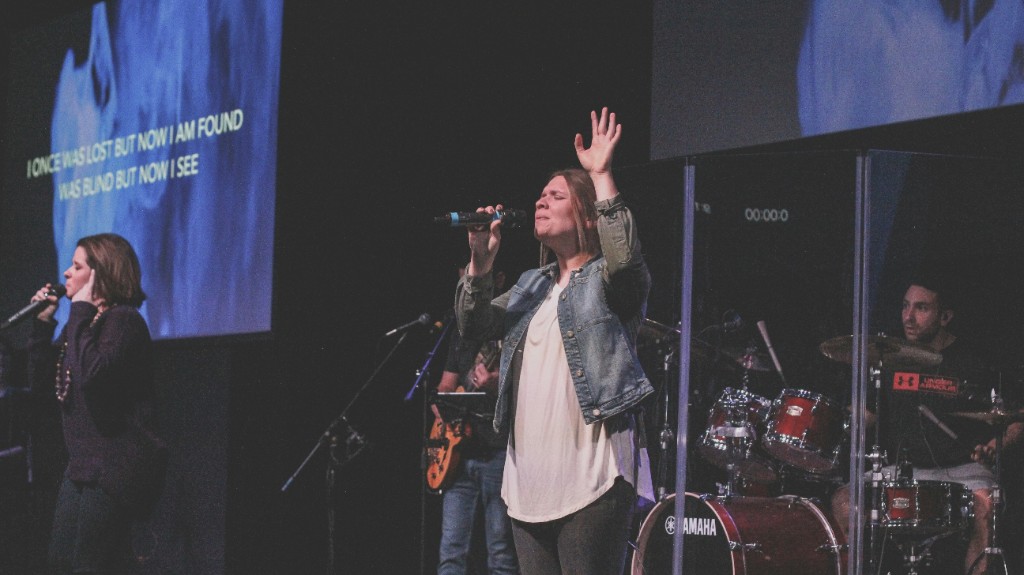
Whether your church has a small acoustic worship team or a full band with drums, guitars, keyboards, and multiple vocalists, getting everyone set up for Sunday service takes coordination.
Musicians need to know where to stand, sound engineers need to know what equipment is being used, and volunteers need enough information to get everything connected before rehearsal begins.
A church stage plot helps bring all of that information together in one simple document.
What Is a Church Stage Plot?
A stage plot is a visual diagram showing where musicians, instruments, microphones, monitors, and other equipment should be positioned on stage.
For churches, stage plots serve the same purpose they do for touring bands and concert venues: they help everyone involved in a performance understand the stage setup before musicians arrive.
A typical worship team stage plot might include:
- Drum kit and percussion positions
- Acoustic and electric guitar locations
- Bass guitar and keyboard positions
- Lead and background vocal microphones
- Floor monitors and in ear monitoring equipment
- DI boxes, amplifiers, and other audio equipment
A stage plot is usually accompanied by an input list, which identifies the audio connections needed for each instrument and microphone.
Together, these documents provide a useful reference for worship leaders, musicians, and church production teams.
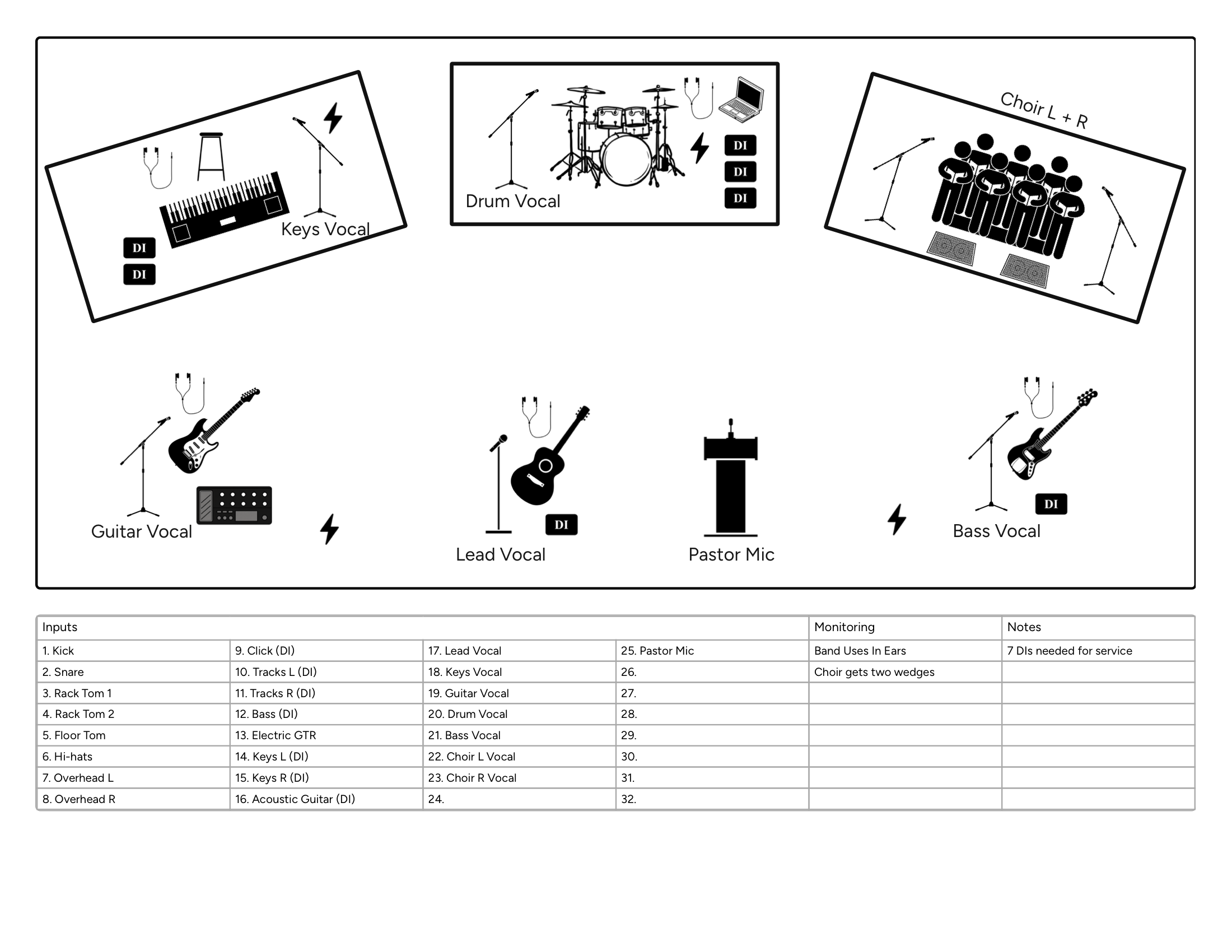
A worship team plot might look like this. Keys, guitar, bass, and drums share the stage with a choir and a pastor microphone. The band is on in ear monitors, while the choir still has wedges.
Why Churches Benefit from Stage Plots
1. Worship Teams Often Change from Week to Week
Unlike bands that tour with the same musicians every night, many churches have rotating worship teams.
One Sunday might feature a full band with drums, bass, two guitars, keyboards, and four vocalists. The following week might have a smaller arrangement with an acoustic guitar, piano, and two singers.
These changes can affect microphone placement, monitor requirements, stage positioning, and audio inputs.
Having an updated stage plot makes it easier to communicate those changes before rehearsal.
2. Many Churches Rely on Volunteer Sound Engineers
Church production teams often include volunteers with varying levels of audio experience.
An experienced sound engineer might already know where everything connects, but a newer volunteer may not be familiar with the band’s typical setup.
A stage plot and input list give volunteers a clear reference showing what equipment is needed and where it belongs.
Instead of relying entirely on verbal instructions or institutional knowledge, churches can document their setups in a format that’s easy to understand.
3. Stage Plots Can Make Rehearsals More Efficient
Sunday mornings can be busy.
Between musicians arriving, equipment being connected, soundchecks, and last minute adjustments, there’s often limited time to troubleshoot problems.
A stage plot won’t eliminate every technical issue, but it can reduce confusion about where musicians should be positioned and what equipment needs to be ready.
For churches with limited rehearsal time, having a consistent reference can make setup more predictable.
4. Special Services Often Require Different Configurations
Christmas, Easter, conferences, youth services, and guest worship teams can all introduce additional production requirements.
A typical Sunday setup might work perfectly for the regular worship band but need significant adjustments when additional musicians, vocalists, or instruments are involved.
Creating a separate stage plot for these events helps production teams prepare for changes ahead of time.
What Should Be Included in a Worship Team Stage Plot?
A useful church stage plot doesn’t need to be complicated. It should communicate the information your production team needs to prepare the stage.
Musician and Instrument Positions
Start by identifying where each musician will be located.
For example, a contemporary worship band might place the drummer toward the back of the stage, the lead vocalist at the front center, and guitarists and keyboard players on either side.
Your exact arrangement will depend on your church’s stage layout and equipment.
Microphones and DI Boxes
Include vocal microphones, instrument microphones, and DI boxes where appropriate.
A keyboard, acoustic guitar, or bass guitar may connect through a DI box, while a drum kit may require several microphones.
Showing these items on your stage plot helps the audio team understand the physical setup.
Monitors and In Ear Monitoring
If your church uses floor wedges, indicate where they’re positioned.
For teams using in ear monitors, including the relevant equipment can help communicate monitoring requirements.
An Input List
An input list is one of the most useful documents to include alongside a stage plot.
It identifies the audio sources that need to connect to the sound system.
Your church’s input list should reflect its actual equipment, audio console, and worship team configuration.
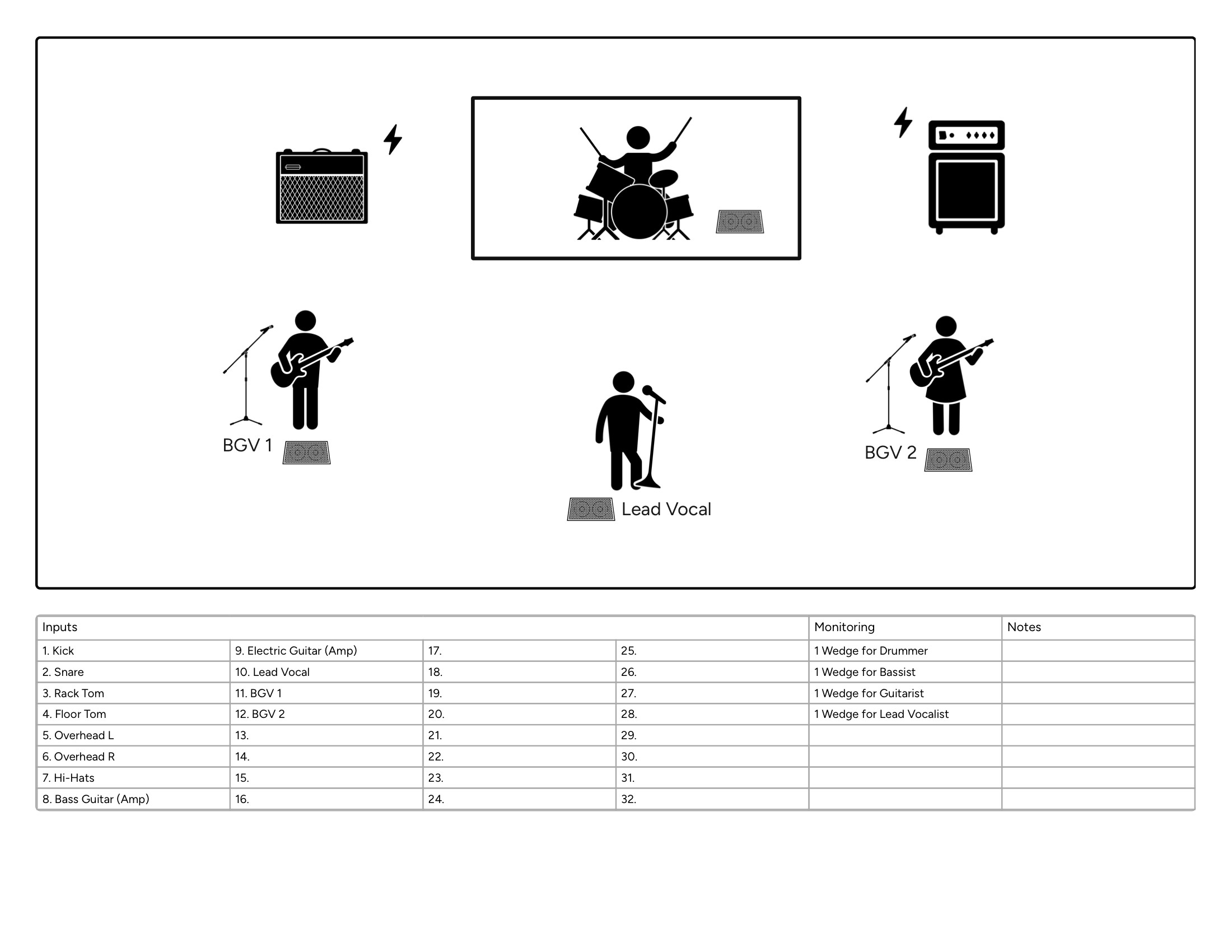
A smaller Sunday band might only need drums, bass, electric guitar, a lead vocal, and two background vocalists. Each player has a wedge, and the input list names those sources.
How to Create a Church Stage Plot
You don’t need complicated production software to make a stage plot for your worship team.
Step 1: Identify your musicians and instruments.
Start with the people scheduled to play and the instruments they’ll be using.
Step 2: Arrange the stage layout.
Create a visual representation of the stage and position each musician and instrument where it belongs.
Step 3: Add audio equipment.
Include microphones, DI boxes, monitors, amplifiers, and other equipment that the production team needs to prepare.
Step 4: Create your input list.
Document the audio connections required for the setup. If your church already uses a standardized channel list, use that as your reference.
Step 5: Share the finished stage plot.
Export the document as a PDF and share it with your worship leader, musicians, and production volunteers before rehearsal.
Create a Worship Team Stage Plot with StagePlot.app
StagePlot.app is an online stage plot builder that makes it easy to create stage diagrams and input lists without specialized design software.
You can start with a blank stage and arrange instruments and equipment yourself, or use a premade template to get started.
There’s even a Sunday Morning worship template designed to provide a starting point for common church band configurations.
With StagePlot.app, you can:
- Add instruments, microphones, monitors, and other stage equipment
- Arrange and resize items to match your worship team’s layout
- Create an accompanying input list
- Start from an existing stage plot template
- Export your finished stage plot as a PDF to share with your team
You can also create stage plots directly from your phone, making it convenient to work on a layout when you’re away from your computer.
You can create and print a stage plot for free, making it accessible for churches of different sizes and budgets.
Create your church stage plot at StagePlot.app.
Frequently Asked Questions
Does a small church need a stage plot?
Not necessarily, but even small churches can benefit from having their stage setup documented. If different musicians rotate through your worship team or volunteers regularly help with sound, a stage plot can make setup easier to communicate.
What’s the difference between a stage plot and an input list?
A stage plot shows where musicians and equipment are positioned on stage. An input list identifies the audio connections needed for instruments and microphones. The two documents work together to help the production team prepare.
Should churches create a new stage plot every Sunday?
Only when it’s useful. If your worship team uses the same setup every week, one stage plot may be sufficient. If musicians, instruments, or stage arrangements change regularly, updating the plot can help everyone stay coordinated.
Can I create a church stage plot for free?
Yes. StagePlot.app lets you create and print stage plots for free. You can build your own layout or start with a worship team template.
Make Sunday Setup a Little Easier
A well organized worship service depends on communication between musicians, worship leaders, and production teams.
A church stage plot is a simple way to document your setup, prepare for changes, and give volunteers a clear understanding of what’s needed on stage.
Whether you’re organizing a weekly worship team or preparing for a special service, having a stage plot and input list ready ahead of time can help make the technical side of worship a little more manageable.